Office Removals in Ealing
If you are planning a business move and need dependable Office Removals in Ealing, you will want a service that understands the area, the pressures of relocating a workplace, and the importance of keeping disruption to a minimum. Moving offices is never just about lifting desks and boxes; it is about protecting equipment, keeping records organised, reducing downtime, and helping your team get back to work quickly. Whether you are moving a small studio near Ealing Broadway, a shared workspace in Northfields, or a larger office close to Acton or Hanwell, the right removals team can make a real difference.
Ealing has a mix of commercial premises, converted buildings, managed office spaces, and high-street locations, and each one comes with its own challenges. Narrow access routes, busy roads, loading restrictions, limited parking, and tight stairwells can all affect the moving day. A local team that already understands these practical details can plan more effectively and help your relocation run smoothly from start to finish. If you are ready to arrange a move, request a free quote and start planning with confidence.
Many businesses also need flexibility. You might be relocating after a lease ends, expanding into a larger unit, downsizing, or moving part of your operation to another site. A well-organised office move should support your business goals rather than interrupt them. That is why good preparation, clear communication, and careful handling matter so much. Office removals are not only about transport; they are about continuity.
Why choose a local office removals team in Ealing?

Choosing a local removals company gives you practical advantages that are especially valuable in a busy West London borough. Local crews are more likely to understand route planning, typical traffic patterns, parking pressures, and the access limitations that can affect commercial moves in and around Ealing. That local knowledge can save time and reduce avoidable delays on the day of the relocation.
A local provider also tends to be more responsive during the planning stage. If your office move needs a site visit, a short notice adjustment, or a move staged across several days, having a team familiar with the area can make coordination easier. Businesses often prefer a removals partner who can adapt to real-world conditions rather than offering a one-size-fits-all service. This is especially important for office moves that involve multiple departments, shared spaces, or specialist equipment.
There is also the benefit of working with a company that understands the wider business environment in Ealing. From professional services and healthcare offices to creative studios, education providers, retail back offices, and small start-ups, the needs of each customer are different. A good local removals team will take those differences seriously and tailor the move accordingly.
What our office removals service can include

Every office move is different, so a practical service should be flexible. Depending on your requirements, office removals may include packing, furniture dismantling, safe transport, unloading, reassembly, and placement of items in the right rooms or work zones. Some businesses only need help with larger items, while others want support across the entire move. The right approach depends on your schedule, the size of your premises, and how much you want your team to do themselves.
Typical office removals support may include:
- Pre-move planning to assess access, volume, and timing
- Office packing for files, supplies, IT equipment, and personal items
- Furniture dismantling and reassembly for desks, tables, shelving, and meeting room items
- Secure loading and transport using suitable vehicles and equipment
- Careful handling of sensitive items such as monitors, printers, archives, and specialist devices
- Placement at the destination so staff can settle in faster
- Removal support for old furniture where required as part of the relocation plan
If you are moving from a serviced office, a shared workspace, or a traditional leased unit, the service can be scaled to suit the layout and access of the building. Good office removals are organised around your business hours, your assets, and your deadlines.
Offices and business premises we regularly help in Ealing
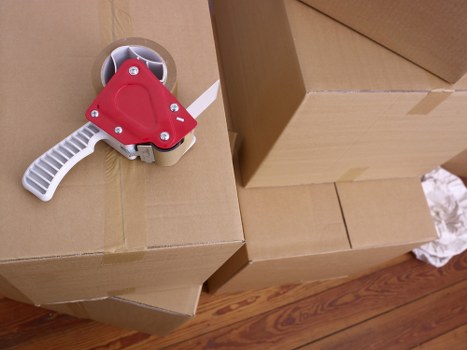
Ealing includes a broad range of commercial premises, and that variety affects the way an office move should be handled. A small professional practice above a shop will have different needs from a larger team in a modern office block. Likewise, a company located near Ealing Broadway may face different parking and loading considerations from one based in quieter residential streets or on an industrial-style estate near the borough’s edges.
We regularly support businesses such as:
- Consultancies and professional service firms
- Accountants, solicitors, and financial offices
- Creative agencies and design studios
- Medical, therapy, and wellbeing practices
- Educational and training offices
- Charities and community organisations
- Retail back offices and administrative teams
- Start-ups, hybrid teams, and growing businesses
Each customer has different priorities. Some need the move completed outside trading hours. Others want to move in stages so only part of the team is disrupted at once. Some need extra care for filing systems and confidential materials. A flexible removals plan can account for all of this, helping your business relocate with less stress and fewer interruptions.
Local access, parking, and building challenges in Ealing
One of the biggest reasons customers look for office removals in Ealing rather than a generic mover is the practical reality of the area. Ealing has busy roads, varied property types, and a mix of commercial and residential streets where access can be tight. Loading bays may be limited. Parking may require planning. Some buildings have lifts, while others rely on narrow staircases or shared entrances. These details matter on moving day.
A local office removals team can plan for these issues in advance. That may mean identifying the best vehicle size, deciding where to park for loading, arranging a suitable moving window, or preparing enough staff to carry items safely through awkward access points. When the team has already worked in similar local settings, they are better placed to spot potential issues before they become delays.
This matters not only in the town centre but also across nearby areas such as Acton, Hanwell, Brentford, Southall, Chiswick borders, and Northolt. Even a short move can become complicated if parking restrictions or building rules are not considered early. Preparation is often what separates a smooth move from a stressful one.
How the office moving process works

A professional office removal should follow a clear process so everyone knows what to expect. While every move is different, a structured approach usually makes the entire relocation easier to manage. It also helps reduce errors, protects equipment, and ensures your staff are not left guessing what happens next.
1. Initial discussion and planning
The process normally begins with a conversation about your current office, your new location, your preferred moving date, and any specific concerns. This might include fragile equipment, archive storage, access limitations, or a requirement to move outside normal business hours. The aim is to understand the full scope of the job before anything is loaded.
2. Assessment of the move
Depending on the size of the office, a site visit or detailed assessment may be useful. This helps determine the amount of furniture and equipment, the type of packing needed, and whether any special handling is required. It also helps identify potential access issues at both locations, which is particularly useful in Ealing where building layouts can vary significantly.
3. Packing and preparation
Once the plan is agreed, packing can begin. This may be done by your own staff or by the removals team, depending on the service you choose. Labelling boxes by department, floor, or destination room can make unpacking much easier. Sensitive files, IT equipment, and shared materials should be handled carefully and packed in a way that reduces the risk of damage or confusion.
4. Moving day
On the day itself, the team loads furniture and packed items safely, transports them to the new site, and unloads according to the agreed plan. Good organisation helps your team resume work faster, especially when desks, chairs, and key equipment are placed where they are needed. Clear placement at the destination is just as important as safe transport.
Preparing for your office move

Preparation is one of the most valuable parts of any office relocation. The more organised you are before moving day, the smoother the whole process tends to be. It also helps your removals team work efficiently and lowers the risk of items being misplaced or damaged.
A practical preparation checklist might include:
- Confirming the moving date and access times for both properties
- Notifying staff about the relocation plan and packing responsibilities
- Back up important digital files and data before equipment is unplugged
- Label boxes clearly by department, desk, or destination room
- Separate confidential documents and decide how they will be moved
- Disconnect IT equipment carefully and record cable setups where helpful
- Empty personal drawers and secure valuables in advance
- Decide which furniture, fixtures, and equipment are staying, moving, or being replaced
- Arrange building access, keys, lifts, and any required permits or permissions
- Let staff know what to bring on the first day in the new office
For many businesses, a well-planned move is also a chance to review how the office works. You may want to reorganise teams, reduce unused storage, or improve the layout at the new site. If so, the removals process can support those changes rather than simply transporting everything as it is. A move is often the right time to reset the way your workspace functions.
What affects office removals pricing?
Customers often want to know what influences the cost of moving an office. While exact prices vary from job to job, several common factors usually shape the final quote. Being aware of these factors helps you compare services fairly and plan your budget more accurately.
Key pricing factors may include:
- Office size and the total volume of furniture and boxes
- Distance between the current and new premises
- Access conditions such as stairs, lifts, parking, and loading restrictions
- Packing requirements and whether the team packs for you
- Specialist handling for IT, archives, sensitive items, or bulky furniture
- Move timing, including out-of-hours or weekend relocations
- Dismantling and reassembly needs for furniture and workstations
- Additional services such as storage or furniture disposal where applicable
It is usually best to request a tailored quote rather than assuming a standard package will suit your office. A quote based on your actual requirements is more useful, because it reflects the realities of your building, your equipment, and your schedule. Transparent planning makes the moving process easier to understand from the beginning.
How to minimise downtime during your office move
Most businesses in Ealing want one thing above all else: to keep disruption down. Even a short closure can affect customer service, internal workflows, and project deadlines. That is why the best office removals plans are built around continuity. The goal is to move the business without losing momentum.
There are several ways to reduce downtime:
- Move after working hours or at the weekend where possible
- Pack non-essential items ahead of time
- Label workstations and rooms clearly
- Set up priority areas first, such as reception, IT, and management desks
- Ensure key contacts know the moving sequence in advance
- Keep a small essentials kit for the first day in the new office
Some businesses also choose to move in phases. This can be especially helpful for larger teams or shared offices where not everyone needs to relocate on the same day. A phased plan may allow one department to continue working while another is moved, helping the business stay operational throughout the transition. Careful staging can make a big difference to productivity.
Handling IT, files, and sensitive equipment
Modern offices depend on equipment that needs more care than standard furniture. Computers, monitors, printers, routers, servers, and storage devices all need attention when a business moves. Files and records also require a careful approach, especially where confidentiality matters. If these items are not managed properly, the relocation can quickly become more stressful than it needs to be.
A good office removals service will treat these items as part of the overall relocation plan. That may include recommending that your team backs up data before the move, labelling equipment clearly, and ensuring items are packed in a way that reduces vibration and impact during transit. For paper records and archives, clear sorting and labelling can help maintain order once you arrive at the new site.
When dealing with specialist devices or confidential materials, it is worth discussing the handling process before moving day. That way, the removals team can prepare the right equipment and the right sequence for loading. Protection and organisation are especially important when your business depends on the safe transfer of essential tools and documents.
Furniture dismantling, reassembly, and workspace setup
Office furniture often needs more than simple loading and unloading. Desks, modular workstations, shelving units, and meeting tables may need to be dismantled for safe transport, then reassembled at the destination. This can save space in the vehicle, reduce the risk of damage, and make it easier to fit furniture through tight access points.
Once the furniture arrives, setting it up in the right order can help your team return to work faster. Many customers appreciate having desks positioned correctly, chairs placed in the right rooms, and larger items located where they will be used most often. This reduces the amount of rearranging your staff must do later and helps the new office feel functional earlier in the day.
Some businesses also use the move as an opportunity to improve the layout. If you are switching to a more collaborative environment, creating additional meeting areas, or reorganising departments, your removals plan can support that change. Moving furniture with purpose is often more useful than simply shifting everything from one building to another.
Areas covered around Ealing
A local office removals service for Ealing should be able to support customers across the borough and nearby districts. That usually includes the town centre and surrounding neighbourhoods, as well as nearby business locations that connect easily to the area. Customers often move between Ealing Broadway, South Ealing, North Ealing, West Ealing, Hanwell, Acton, Pitshanger, Northfields, Greenford, Brentford, and surrounding parts of West London.
This wider coverage is useful because many office relocations do not stay within one postcode area. A business might move from a high-street office to a newer commercial unit, from a shared workspace to a larger independent office, or from one part of West London to another nearby location. Having a removals team that already knows the area can make route planning and access arrangements much simpler.
If your move involves multiple stops, temporary storage, or a phased relocation, a local provider can often build the plan around those requirements more easily. That kind of flexibility is especially valuable for businesses that need a move to happen around meetings, client visits, or critical work periods. Ask for a tailored quote if your move involves more than one location or a staged schedule.
When should you book office removals?
The best time to book depends on the size of your move, the flexibility of your deadline, and how much preparation is required. In general, it is wise to start the process as early as possible, particularly if your office has complicated access, if you are moving a substantial amount of equipment, or if you want the move to happen outside normal working hours.
Early booking helps with planning and reduces the likelihood of rushed decisions. It can also make it easier to coordinate with landlords, building managers, IT teams, and staff. If you are working to the end of a tenancy, a new contract start date, or a business opening schedule, planning ahead can help everything align more smoothly.
That said, not every office move is planned months in advance. Sometimes businesses need help on a shorter timeline due to lease changes, staffing changes, or practical issues at the premises. A local removals team that understands Ealing can often respond more efficiently to urgent requirements, provided the move can be assessed promptly. Even time-sensitive relocations benefit from clear communication and a structured plan.
Frequently asked questions about office removals in Ealing
Can you move our office outside normal business hours?
Yes, many office moves are arranged outside standard hours to reduce disruption. Evening, weekend, or early-morning moves can be a practical choice for businesses that need to keep operating during the week. It is best to discuss your preferred timing early so the move can be planned properly.
Do we need to pack everything ourselves?
Not necessarily. Some businesses prefer to pack files and personal items themselves while leaving furniture handling and transport to the removals team. Others want full packing support. The right option depends on your budget, schedule, and how much responsibility you want to take on internally.
How do we prepare IT equipment for moving?
It is usually sensible to back up important data, disconnect equipment carefully, and label leads and devices clearly. If your office uses more complex systems, it may help to have a designated staff member oversee the IT side of the move. The removals team can then handle transport while your business keeps control of technical setup.
What if our office has limited parking or difficult access?
That is common in Ealing and is one of the reasons local knowledge matters. A good team will assess loading arrangements, vehicle access, stairways, lifts, and timing in advance. Planning these details early helps reduce delays and keeps the move safer and more efficient.
Can you help with office furniture and bulky items?
Yes, office removals often involve larger items such as desks, conference tables, filing cabinets, and shelving. If needed, furniture can be dismantled and reassembled to make transport easier and reduce the risk of damage. The best approach depends on the type of furniture and the layout of both premises.
Do you cover smaller office moves as well as larger ones?
Absolutely. Small office relocations, single-room moves, and partial department relocations are all common. A local service can be scaled to suit start-ups, small firms, and larger businesses alike. If you only need help with part of the move, a tailored plan is usually the best option.
Why businesses in Ealing rely on a specialist removals service
Office relocations are different from domestic moves because they involve business continuity, shared equipment, work schedules, and often a greater need for coordination. For many businesses, a specialist removals service is valuable because it brings structure to a process that could otherwise become chaotic. It helps protect equipment, keeps teams informed, and reduces the risk of disruption to clients or customers.
In a busy area like Ealing, this is especially important. A move that is well planned around access, parking, and building rules is far less likely to run into problems. The benefit of a specialist service is not just the physical lifting; it is the combination of preparation, communication, and practical handling that keeps the day under control.
If your business is considering a relocation, now is the right time to start the conversation. Contact us today to discuss your office move, ask questions about the process, and request a free quote. Whether you are moving a small office or coordinating a larger commercial relocation, the aim is the same: a smooth move with less stress and a quicker return to normal working life.
Book your office move with confidence
When you need Office Removals in Ealing, it helps to work with a team that understands the local area and the practical demands of business relocation. From planning and packing to transport and setup, every stage should be handled with care and attention. The right service will respect your time, your equipment, and your need to keep business moving.
Whether your office is in central Ealing, near the surrounding business districts, or just over the border in a nearby West London area, professional support can make the relocation easier to manage. If you are preparing for a move, book your service now and take the first step toward an organised, efficient office transition.
With the right preparation and a local removals team, your office move can be far more straightforward than you might expect.