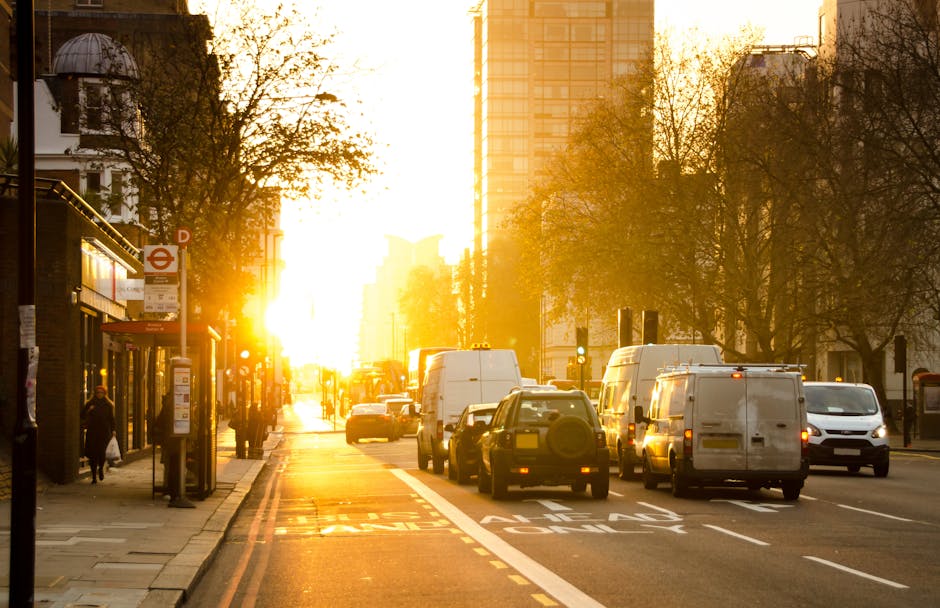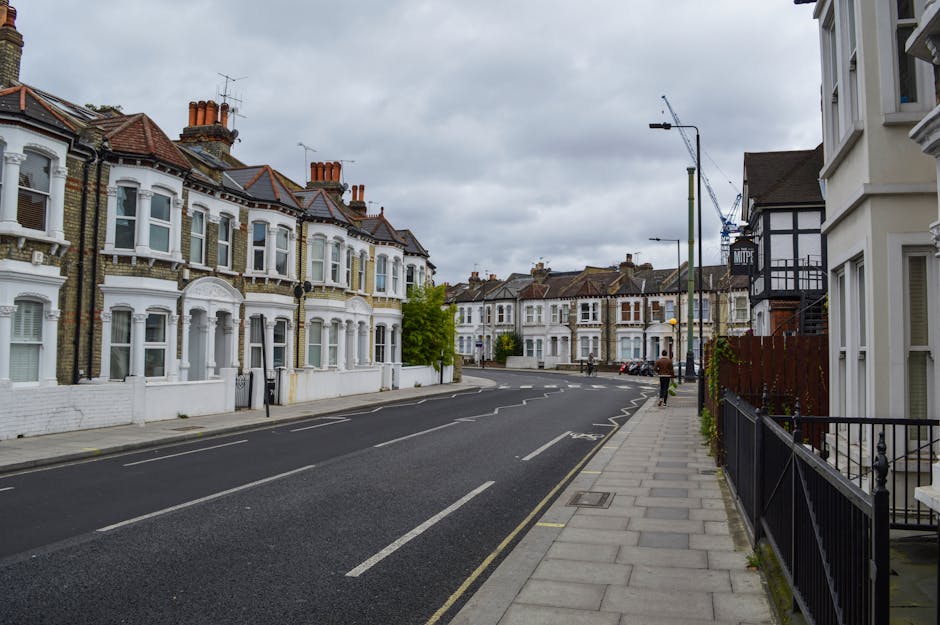
W13 to W5 Removals Routes to Avoid Near Ealing Common
If you are planning a move from W13 to W5, the route can matter more than people expect. Around Ealing Common, a short journey can turn into a slow crawl if you pick the wrong streets at the wrong time. In this guide to W13 to W5 removals routes to avoid near Ealing Common, we'll walk through the streets, timing issues, access quirks, and practical choices that help keep a home move calm rather than chaotic. Truth be told, this is the kind of planning that saves the day before the first box is even lifted.
Whether you are moving a flat, a family home, or a small office, the aim is the same: protect your schedule, reduce stress, and avoid unnecessary delays. You'll also find a checklist, a comparison table, and a few hard-won tips that make sense in real life, not just on paper.
Why W13 to W5 removals routes to avoid near Ealing Common Matters
Ealing Common sits in one of those parts of West London where traffic patterns can feel unpredictable even on a good day. A route that looks neat on a map may become awkward once you factor in bus traffic, school runs, parked cars, delivery vans, or a road that narrows just when your removal van needs space most. That is why route planning is not a luxury. It is part of the move.
For a W13 to W5 move, the journey may be relatively short, but short does not always mean simple. If your vehicle is large, if you have fragile furniture, or if you are moving during peak hours, the wrong turn can create a domino effect. Ten extra minutes here, a forced reverse there, and suddenly the whole day feels off. Nobody wants that.
Near Ealing Common, the practical challenge is usually not distance. It is flow. You want a route that avoids bottlenecks, awkward junctions, and streets where stopping safely is a headache. In our experience, the best removals are the ones where the driver can keep moving steadily, with clear access at both ends and no panic about where to pull in.
If you are comparing move types or deciding which service level fits your situation, it can also help to review general moving options such as home moves, house removals, or a lighter man and van service. The route still matters, but the size of the vehicle and the complexity of the load will shape the plan.
Expert summary: The smartest W13 to W5 move is usually not the shortest-looking route, but the one with the fewest interruptions, the safest loading conditions, and the least chance of a late-day surprise.
How W13 to W5 removals routes to avoid near Ealing Common Works
At a practical level, route planning for removals means matching the vehicle, the timing, and the local road layout. You are trying to avoid situations where a van gets trapped behind a queue, cannot safely stop, or has to squeeze through an area that makes the crew waste time moving cautiously.
A good removals route near Ealing Common normally considers four things:
- Road width and turning space for the removal vehicle.
- Traffic density at the exact time of travel.
- Loading and unloading access at both properties.
- Any restrictions that may affect stopping, parking, or waiting.
This is where planning beats guesswork. Even experienced movers may avoid certain turns or side streets because they know the timing is poor, or because a road that looks workable becomes stressful with a full-sized van. That is not over-cautious; that is just sensible.
For larger household moves or business relocations, it can be worth considering whether a dedicated removal vehicle is more suitable than a smaller van. Services such as moving van, removal van, or even moving truck hire can be more appropriate depending on volume. The right vehicle reduces the need for complicated routing in the first place.
One practical note: if the departure or arrival point is in a busy residential street, the route should allow the van to approach, stop safely, and leave again without blocking the road for longer than necessary. That is especially useful if neighbours, bin collections, or other vehicles are in the mix. A smooth in-and-out is worth a lot.
Key Benefits and Practical Advantages
There are several clear advantages to avoiding the wrong routes near Ealing Common. Some are obvious, others only become obvious when things start going wrong.
- Less delay: Fewer stops and fewer detours keep the move moving.
- Lower risk of damage: A calmer route means fewer sharp manoeuvres and less jolting for furniture.
- Better crew efficiency: Movers can spend more time loading and unloading, less time navigating awkward streets.
- Less stress for you: Moving day already has enough going on without wondering where the van is.
- Cleaner timing: A planned route makes it easier to coordinate keys, access windows, and arrival times.
There is also a financial angle. Delays can increase labour time, especially if you are booking a team by the hour. Even if the move itself is modest, every avoidable pause can ripple through the rest of the day. Not dramatic, just annoying-and moving day has enough of that already.
If your move includes packing support or a more hands-on service, route efficiency becomes even more useful. Services like packing and unpacking services often work best when transport logistics are settled early, because then the team can focus on the actual job rather than the map.
Who This Is For and When It Makes Sense
This kind of route planning is useful for more people than you might expect. It is not just for huge family houses with a lorry outside. In fact, smaller moves often benefit just as much because they are more likely to be done quickly and under time pressure.
It makes sense if you are:
- moving from a flat or maisonette in W13 into W5;
- using a removal van that needs good access near Ealing Common;
- moving at a busy time of day;
- dealing with limited parking at either address;
- trying to coordinate builders, cleaners, or key handovers on the same day;
- moving an office or commercial unit where timing is tight.
For commercial jobs, route choice can be even more important because missed windows and access issues tend to affect multiple people at once. If that sounds familiar, pages like commercial moves and office removals are relevant starting points. The priorities are slightly different, but the same basic logic applies: make the vehicle's path as predictable as possible.
There is also a human side to this. If you are moving with children, pets, older relatives, or a landlord waiting at the other end, fewer route complications can make the whole day feel much gentler. And honestly, a gentler move is a better move.
Step-by-Step Guidance
Here is a practical way to plan W13 to W5 removals routes near Ealing Common without overcomplicating things.
- Check both addresses first. Look at road width, parking space, and whether the van can stop close enough for easy loading.
- Choose the right vehicle size. A smaller van may suit a narrow street, while a larger removal truck may be better for one clear load rather than several trips.
- Think about time of day. Morning and late afternoon can feel very different in West London. The same road may be fine at 10:30am and miserable at 5pm.
- Avoid routes with obvious pinch points. Busy junctions, awkward roundabouts, and roads with heavy through-traffic often slow a move more than you expect.
- Plan loading order. Put first-needed items near the door and heavy furniture where the crew can access it easily.
- Confirm parking and access details. If there is any doubt, tell the removals team early. One missing detail can cause a lot of backtracking.
- Build in a little buffer. Not loads. Just enough so one hold-up does not throw the whole day.
A small example: if your W13 property is on a residential street with tight kerb space, it may be worth using a route that gives the van a cleaner arrival rather than the most direct line on paper. That can save the crew from circling the block or stopping half a street away. It is a small thing, but small things pile up.
If you are still at the planning stage, browsing removal services or checking removals near me can help you compare what level of support you need. Sometimes the best route plan is the one made alongside the right service choice.
Expert Tips for Better Results
A few practical habits make route planning far less stressful. None of them are flashy, but they work.
- Visit the street at the same time of day as the move if you can. Traffic patterns change and it is easy to forget that a quiet afternoon road can be very different in the morning rush.
- Check for roadworks or temporary restrictions in the days before the move. Even one closure can affect the whole plan.
- Keep the removal team updated if access changes. A simple text early is better than a scramble later.
- Label bulky items clearly. When the van is parked properly, the load/unload process becomes much quicker.
- Use a realistic loading estimate. Rushing the departure end usually creates pressure on the route end too.
One local-style tip: around Ealing Common, it is worth being extra careful with where the van pauses. Some streets look fine until you meet a parked car, a delivery lorry, or a line of traffic that just will not budge. You know how it is. Suddenly everyone is waiting on everyone else.
For some moves, the best answer is not a bigger vehicle but a smarter packing plan. A tidy load can reduce the need to reposition items mid-trip, which is where things often get messy. If you want that kind of support, man and van removals can be a sensible option for lighter moves, while larger properties may benefit from house movers.
Common Mistakes to Avoid
Most route problems are avoidable. The awkward part is that the mistake usually feels minor right up until the delay starts.
- Choosing the shortest route without checking access. The shortest route is not always the quickest one.
- Ignoring parking reality. A great route is no use if the van cannot stop near the property.
- Forgetting school-run or rush-hour effects. These can transform a straightforward journey into a stop-start crawl.
- Not telling the removals team about restrictions. Loading bays, narrow entries, and timed access all matter.
- Packing too late. If the van is waiting on you, the route plan is already under pressure.
Another common slip is underestimating the difference between a light van and a loaded removal vehicle. A route that works fine in a family car may feel much tighter once you put a tall, full van into it. That is just the reality of it.
If you are weighing up service providers, it can help to review a general removal company page alongside specifics like removal van or man with van service options. Different moves need different levels of support, and route complexity should influence that decision.
Tools, Resources and Recommendations
You do not need fancy kit to plan a better route. In fact, the best tools are usually the simplest ones.
- A paper or digital moving checklist so nothing gets missed.
- Street-level photos of both addresses, especially if access is tight.
- Notes on vehicle size so everyone knows whether a van, truck, or smaller mover is coming.
- A clear list of large items to estimate loading time.
- Confirmation of key handover times so route timing matches the schedule.
When in doubt, ask for a quote early and be specific about access issues. That is much better than describing the job as "standard" when it is actually a bit fiddly. The more honest the brief, the smoother the job. Simple as that.
Useful related pages for planning include pricing and quotes, insurance and safety, and health and safety policy. These help set realistic expectations around the move, the vehicle, and the care taken with your belongings.
Law, Compliance, Standards, or Best Practice
For local removals, the big issue is usually not a special law about a particular route. It is more about sensible compliance, road safety, and professional practice. Any reputable moving operation should plan access carefully, avoid unsafe stopping, and respect traffic conditions and parking restrictions.
As a customer, you do not need to become a transport planner. But it helps to understand the basics:
- Safe loading and unloading should come first, even if it adds a few minutes.
- Parking restrictions need to be checked rather than assumed.
- Insurance coverage should be clear before moving day.
- Vehicle suitability matters for road width, access, and load type.
It is also normal good practice for a removals company to be transparent about terms, payment, complaints handling, and privacy. Those things may not sound glamorous, but they matter when you are trusting someone with your home contents. If you want to review the basics, the website's terms and conditions, payment and security, and privacy policy pages are useful reference points.
And yes, route planning should sit comfortably inside that same professional mindset. Calm, clear, safe. That is the standard to aim for.
Options, Methods, or Comparison Table
Different move types suit different route strategies. Here is a straightforward comparison.
| Move option | Best for | Route priority | Typical advantage |
|---|---|---|---|
| Man and van | Smaller flats, limited furniture, quick access jobs | High flexibility on narrow streets | Easier to park and manoeuvre |
| Removal van | Standard home moves with a moderate load | Balance of access and capacity | Good all-round option for W13 to W5 |
| Moving truck | Larger homes, heavier loads, fewer trips | Needs the cleanest, widest route | Less back-and-forth, more efficient loading |
| Full removals team | Busy household or commercial relocation | Requires detailed access planning | Less stress and more hands on the job |
If your route near Ealing Common includes tight turns or limited waiting space, a lighter vehicle can sometimes be the smarter option. On the other hand, if you are moving a whole house, squeezing everything into a smaller van just creates extra trips. That rarely feels like a win on moving day.
Case Study or Real-World Example
Here is a realistic scenario from a typical West London move. A couple moved from a W13 flat with a narrow residential frontage to a W5 property not far from Ealing Common. At first glance, it looked like a simple hop across town. But the departure street had limited stopping space, and the arrival street had enough parked cars to make a large vehicle awkward if it arrived at the wrong time.
Instead of taking the most direct-feeling route, the move was scheduled for a quieter part of the morning. The crew used a route that reduced time spent on busier sections and gave the van a cleaner approach at the destination. Nothing dramatic happened, which was exactly the point. Boxes came out in order, furniture stayed intact, and the day kept its rhythm.
The couple later said the best decision was not the route itself, but deciding early that access mattered. That is often the hidden lesson. Once you accept that route planning is part of the move, not an afterthought, everything gets easier.
For more involved jobs, the same principle applies to larger services such as house removals or movers. Good planning turns a potentially messy day into a controlled one. Not perfect. Just controlled, and that is usually enough.
Practical Checklist
Use this checklist before moving day. It keeps the route conversation focused and saves a lot of last-minute faffing about.
- Confirm both postcodes and exact street access points.
- Check whether the vehicle can stop close to each entrance.
- Note any height, width, or turning limitations.
- Agree the best time window for arrival.
- Tell the removals team about parking restrictions or permits if relevant.
- Identify any bulky or fragile items that affect loading order.
- Make sure keys, lifts, or entry codes are ready before the van arrives.
- Keep phone numbers handy in case plans change by a few minutes.
- Have a backup plan for waiting or short-term parking if needed.
- Review service details, insurance, and payment terms before the day.
If you want to reduce the admin side, a more structured service can help. Pages such as house removalists, man with van removal, and removals van may be useful depending on the size and pace of your move.
Get a free quote today and see how much you can save.
Conclusion
W13 to W5 removals routes to avoid near Ealing Common are really about one thing: making a local move feel predictable. The right route reduces delays, protects your belongings, and helps the whole day unfold with less friction. That matters more than people often realise until they are standing on the pavement watching a van try to reverse into a tight space.
If you plan access properly, choose the right vehicle, and keep timing realistic, you give yourself the best chance of a smooth move. No drama, no scramble, no unnecessary detours. Just a move that gets done properly.
And if your moving day still feels a bit overwhelming, that is normal. A good plan does not remove every variable, but it does make the rest of the day much kinder. That counts for a lot.
Frequently Asked Questions
What are the main W13 to W5 removals routes to avoid near Ealing Common?
The main routes to avoid are usually the ones with heavy congestion, awkward stopping points, or poor access for larger vans. The exact streets vary by time of day, so the safest approach is to prioritise clear access over the shortest-looking route.
Why does route planning matter so much for a short move?
Short moves can still be delayed by traffic, parking problems, or narrow streets. A few wasted minutes can affect the whole schedule, especially if you have key handover times or a booked removals team.
Is a man and van service suitable for W13 to W5 moves?
Yes, for smaller loads and flexible access, a man and van service can be a very practical choice. It is especially useful if the street layout near Ealing Common is tight or parking is limited.
Should I choose a removal van or a moving truck?
It depends on the amount of furniture and boxes. A removal van suits many standard home moves, while a moving truck is better for larger loads or when you want to reduce the number of trips.
How early should I plan the route before moving day?
As early as possible. Ideally, check access details when you book the move, then confirm them again a few days before the date. That gives you time to adjust if conditions change.
Do I need to worry about parking near Ealing Common?
Yes, parking is often one of the biggest variables in a local move. Even if the route is fine, a van that cannot stop safely near the property will slow everything down.
What is the best time of day to move between W13 and W5?
There is no single perfect time, but quieter mid-morning periods are often easier than peak rush-hour windows. The best time depends on access, loading needs, and any building restrictions.
Can I use a normal car route for a removals vehicle?
Not always. Larger vehicles need more turning room, more space to stop, and a route that avoids awkward pinch points. A car route may look fine but still be unsuitable for a van or truck.
What should I tell the removals company before the move?
Tell them about street access, parking limits, stairs, lifts, long carries, and any items that are unusually heavy or fragile. The more they know, the better they can plan the route and loading order.
Can route planning reduce moving costs?
It can, indirectly. A smoother route may reduce delays, waiting time, and unnecessary trips. That is especially helpful if your move is priced by time or involves a larger crew.
What if my access changes on the day?
Call the removals team straight away and explain what has changed. A quick update can prevent confusion and help the driver adjust before arriving at the wrong side of a blocked street.
How do I know which removals service is right for me?
Think about the amount of furniture, the access at both ends, and how much help you want on the day. Comparing removal services, removal company options, and lighter services like man with a van is a sensible place to start.