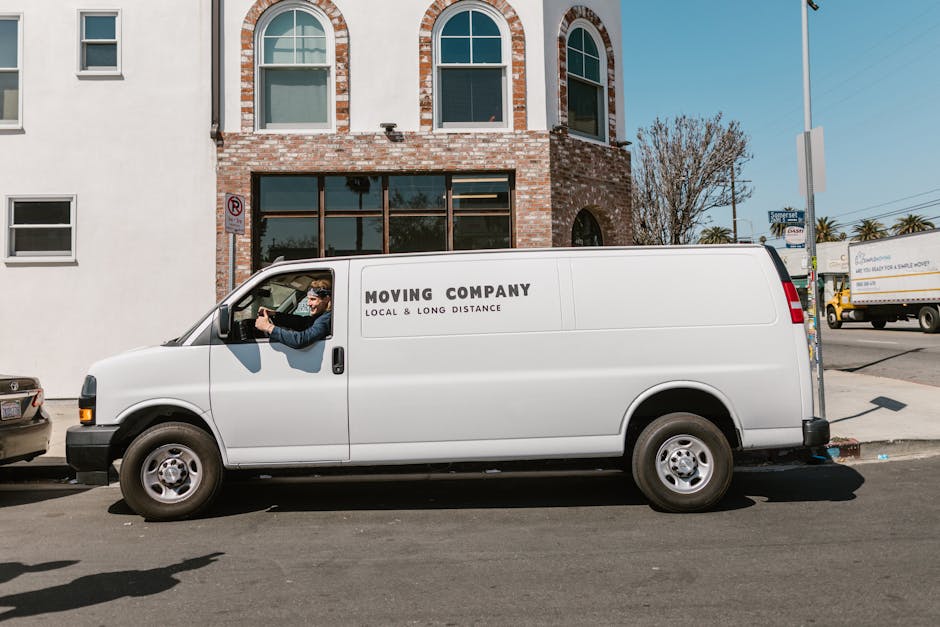
Uxbridge Road man with van tips for Ealing W5 moves

If you are planning a move around Ealing W5, a well-organised man with van service can save a surprising amount of stress. The trick is not just booking a vehicle and hoping for the best. It is knowing how to prepare for Uxbridge Road traffic, narrow residential access, awkward parking, and the usual moving-day chaos that tends to appear right when you least need it. These Uxbridge Road man with van tips for Ealing W5 moves are designed to help you move smarter, not harder.
In practice, the best moves are rarely the biggest ones. They are the ones where timing, packing, access, and communication all line up properly. Whether you are shifting a flat, a few bulky items, or the contents of a small office, the right approach makes the day feel calmer. A bit of planning goes a long way, honestly.
Below, you will find practical guidance on how a man and van move works in Ealing, when it makes sense, what to ask before booking, and the common mistakes that catch people out. There is also a checklist, a comparison table, and a realistic example so you can judge whether this is the right fit for your move.
- Why Uxbridge Road man with van tips for Ealing W5 moves matters
- How Uxbridge Road man with van tips for Ealing W5 moves works
- Key benefits and practical advantages
- Who this is for and when it makes sense
- Step-by-step guidance
- Expert tips for better results
- Common mistakes to avoid
- Tools, resources and recommendations
- Law, compliance, standards, or best practice
- Options, methods, or comparison table
- Case study or real-world example
- Practical checklist
- Conclusion
- Frequently asked questions
Why Uxbridge Road man with van tips for Ealing W5 moves Matters
Uxbridge Road is one of those West London routes where a move can look simple on paper and then become a little more involved once the van arrives. There can be busier junctions, competing parking demand, and the familiar challenge of getting furniture from a property to a vehicle without blocking the street for too long. That matters because a small move still needs the same basic discipline as a bigger one: clear access, sensible loading, and a realistic schedule.
In Ealing W5, many homes and flats are not designed around oversized vehicles or a relaxed loading bay. A man with van arrangement can be ideal, but only if you treat it like a proper logistics job rather than a quick favour. That means knowing the volume you are moving, how far items must be carried, whether there are stairs, and whether your furniture can actually be manoeuvred around the building. The awkward bit is often not the van itself; it is the last 10 metres between your front door and the kerb.
It also matters because moving day affects neighbours, building managers, and sometimes your own timeline for handover or check-in. If you are late, the whole day can wobble. If you are prepared, the move feels orderly. Not glamorous, sure, but very effective.
When used properly, a local moving service can be more flexible than a larger crew. That flexibility is especially useful if you are collecting from storage, moving just a few rooms, or combining household items with a bit of furniture dismantling and reassembly. If you want a broader overview of the wider service types available, the page on man with van removals is a sensible starting point, while removals near me can help when you are comparing local options.
How Uxbridge Road man with van tips for Ealing W5 moves Works
At its simplest, a man with van service provides a vehicle, a driver, and usually one or more helpers to load, transport, and unload your belongings. For Ealing W5 moves, the process normally starts with a short description of what needs moving, where from, where to, and what the access looks like. Good providers will ask questions about stairs, parking, item size, and any especially delicate belongings. That is a good sign. It means they are thinking ahead rather than just filling a slot.
After that, the move is usually planned around the size of load and the time required. Smaller moves may be handled in a single trip. If you are moving from a compact flat or taking a few heavy items across town, that can work well. If you are moving multiple rooms of furniture, then a larger vehicle or a more comprehensive removal services option may be better suited.
The day itself usually follows a fairly simple rhythm:
- The crew arrives and checks access, parking, and the item list.
- Fragile or awkward items are wrapped or separated first.
- Heavier items are loaded in a stable order to protect them in transit.
- The van travels to the destination, ideally by the most sensible route rather than the shortest one on a map.
- Items are unloaded and placed where you need them, with larger pieces usually going first.
Truth be told, the better the prep, the faster this runs. A move that starts with unboxed lamps, loose cables, and nobody quite knowing where the mattress cover is tends to drag. One that begins with labelled boxes and a clear hallway feels completely different.
If your move is connected to a full house relocation rather than a small load, it can be worth comparing the man and van option with more structured services such as home moves or house removals. Different jobs, different tools. Simple as that.
Key Benefits and Practical Advantages
The biggest benefit of a man with van move in Ealing W5 is flexibility. You are not paying for a huge setup if you do not need one. That makes it especially useful for students, flat movers, couples, single-item relocations, and anyone moving on a tighter timetable. It is a good fit when the job is real but not enormous.
Another advantage is local familiarity. A crew that knows the area can make better decisions about access, timing, and road conditions. On a route like Uxbridge Road, even a small delay can create friction. A local approach often helps avoid the obvious traps, like turning up at the worst possible hour or underestimating how long a carry from the vehicle might take.
There is also a practical comfort factor. Smaller moves can feel less intimidating because you can usually keep a closer eye on your belongings. If you are moving a few pieces of furniture, boxes of books, and the usual household bits and pieces, a compact move can be refreshingly straightforward.
Other benefits worth noting:
- Cost control: you can match the service to the job size more closely.
- Time efficiency: less overplanning, less waiting around.
- Better for awkward access: smaller vehicles can sometimes handle tighter streets and entrances more easily.
- Useful for mixed jobs: ideal for furniture pick-ups, partial moves, and short-distance transfers.
- Lower stress: when the load is modest, the day often feels more manageable.
If you are shifting items that need careful handling or you want extra support with packing, it may also be worth looking at packing and unpacking services. That can make a bigger difference than people expect, especially with breakables and kitchen items.
Who This Is For and When It Makes Sense
A man with van service is not only for students or people moving one sofa. It is a practical choice for a wide range of Ealing W5 situations. The most common ones include flat moves, furniture collection, storage runs, short-notice relocations, and small business deliveries. If your move is contained but still needs proper handling, it is often a strong fit.
It makes particular sense if you:
- are moving from or to a flat with stairs or limited access
- only have a few large items and several boxes
- need help with lifting, carrying, or loading
- are moving within Ealing or nearby parts of West London
- want something more efficient than hiring a large van yourself
- need a practical option for same-day or next-day timing
It may be less suitable if you have a full family house to move, a large volume of furniture, or several fragile items that need specialist wrapping and sequencing. In those cases, a broader removal company or more full-service move may be the better fit. To be fair, most problems start when people ask a small service to do a big-service job and then wonder why the schedule feels tight.
A simple way to decide is to ask yourself: if every item was stacked in one room, would it look like a compact load or a proper house move? That answer usually tells you more than a rough guess ever could.
Step-by-Step Guidance
If you want the move to feel smooth rather than hurried, follow a clear process. Small moves do not need to be complicated, but they do need structure.
- List everything you are moving. Be honest about the size. The "just a few things" category has a funny way of becoming six boxes, a bed frame, a desk, and a chair.
- Check access at both addresses. Measure narrow hallways, door widths, stair corners, and anything else that might slow the job.
- Decide what needs dismantling. Beds, shelving, and large tables are often easier if taken apart in advance.
- Pack by room and priority. Keep essentials separate. You do not want to be hunting for kettle leads at 9 p.m.
- Prepare parking information. Know where the van can stop, how long it can reasonably stay, and whether there are any likely restrictions.
- Protect fragile items. Use sturdy boxes, filling material, and clear labels. A bit of extra tape now saves a headache later.
- Confirm timing and contact details. If the crew needs to call before arrival, make sure that number is actually answered.
- Walk the crew through the move on arrival. Point out priority items and anything delicate or awkward.
- Do a final sweep before departure. Cupboards, under beds, and behind doors are the classic places where things get left behind.
If your move involves a heavier or more irregular load, you may also want to compare options such as moving van and man and van to see which setup suits the scale better. Sometimes the difference is only one vehicle size, but that can change the whole day.
Expert Tips for Better Results
The best moving advice is often the most practical. Nothing fancy, just the stuff that makes the day run properly. In our experience, the jobs that go most smoothly are the ones where people have already handled the boring bits before anyone arrives. Boring bits matter.
Tip 1: Book with a realistic time window. Uxbridge Road traffic and London parking are not always cooperative. Build in buffer time so one small delay does not snowball into a scramble.
Tip 2: Keep the first load easy to access. The most useful items are the ones that can be loaded quickly without first moving five other things. Put fragile but essential things somewhere obvious.
Tip 3: Use labels that mean something. "Kitchen - pans" is much better than "misc." later, when you are tired and slightly hungry. We have all been there.
Tip 4: Protect corners and finishes. Tables, mirrors, wardrobe doors, and painted walls all suffer when there is rush and no padding. Blankets, covers, and proper wrapping help a lot.
Tip 5: Think about unloading order before the move begins. If the bed frame or sofa needs to go in first, say so early. It saves backtracking and keeps the flow tidy.
Tip 6: Be clear about fragile or high-value items. If something matters to you, say it. That is not being fussy; that is being sensible.
Tip 7: Use the move as a declutter checkpoint. A move is a perfect time to separate keep, donate, recycle, and discard. If you need to clear furniture rather than take it with you, the page on furniture pick up is a useful related option.
Tip 8: Keep refreshments simple. A bottle of water and a clear path matter more than trying to host the move like a Sunday lunch. No one needs that pressure.
Common Mistakes to Avoid
Most moving headaches are avoidable. That is the good news. The not-so-good news is that the same mistakes happen again and again, mostly because people assume a small move will sort itself out. It rarely does.
- Underestimating volume: a few large items can take more room than expected, especially when they cannot be stacked neatly.
- Leaving packing until the last minute: last-minute packing usually means loose lids, weak boxes, and missing labels.
- Ignoring access issues: if the van cannot park close enough, loading slows down immediately.
- Forgetting dismantling tools: one missing Allen key can stall the whole plan.
- Not checking insurance or handling expectations: a careful move is not the same thing as a guaranteed risk-free one.
- Trying to move too much in one trip: if the van is full before the essential items are loaded, you are asking for trouble.
- Failing to communicate special items: pianos, large mirrors, and awkward furniture deserve advance notice.
There is also a subtle mistake people make: they focus too much on the price and not enough on the actual service fit. The cheapest option is not always the best value if it creates delays, missed items, or damaged furniture. That is the bit people remember, not the small saving.
If you are comparing broader providers, it helps to look at removal companies as well as specialist man with van removal options. That comparison keeps your decision grounded in the actual job, not just the headline offer.
Tools, Resources and Recommendations
You do not need a complicated toolkit to make a good move, but a few basic items make everything easier. Think of this as the practical kit that saves time and keeps stress low.
- Strong boxes: consistent sizing helps stacking and reduces the chance of collapse.
- Packing tape: more than one roll is usually wise, because tape disappears at speed.
- Blankets and covers: useful for doors, tabletops, and other surfaces that scratch easily.
- Labels and marker pens: simple, but incredibly effective.
- Furniture pads or wrap: ideal for bigger pieces that need a bit of protection in transit.
- Basic tools: screwdriver, Allen keys, and a small bag for screws and fittings.
- Charged phone: obvious, yet somehow still the thing people forget.
When it comes to service selection, look for a provider that explains how they handle access, loading, timing, and fragile items in plain English. That tends to be more useful than polished sales talk. You want clarity. Not drama.
If the move is part of a wider relocation and you want to understand how different service types fit together, movers and removals pages can help frame the bigger picture. For a very small job, you may only need a compact van and careful planning. For something larger, it is worth stepping up the service level early rather than late.
Law, Compliance, Standards, or Best Practice
For a man with van move in London, the main compliance point is not usually a dramatic legal issue; it is good practice, insurance awareness, and safe working. The move should be handled in line with sensible transport, loading, and property care expectations. Providers should be clear about how they manage goods in transit, personal belongings, and any limits around fragile or high-value items.
It is also wise to confirm who is responsible for access arrangements, parking permissions, and any building rules. Some flats and managed properties have specific move-in instructions. If you ignore them, you can create delays that are easily avoided. A smooth move usually depends on the basics being respected, not fancy promises.
From a customer perspective, read the service terms carefully and ask questions if something is not clear. That includes payment expectations, cancellation terms, and what happens if access is worse than expected on the day. The page on terms and conditions is useful for understanding the kind of information a professional provider should make clear. For reassurance on handling and protection, insurance and safety is also worth reviewing.
Best practice, in plain terms, is simple: be honest about the load, prepare the property, avoid guesswork, and keep communication open. That is really the backbone of a decent move.
Options, Methods, or Comparison Table
Choosing between a man with van, a moving van, and a fuller removal service depends on the size and complexity of the job. Here is a straightforward comparison to help.
| Option | Best for | Strengths | Watch-outs |
|---|---|---|---|
| Man with van | Small to medium moves, furniture, local collections | Flexible, practical, usually cost-efficient | Can be tight if the load is larger than expected |
| Moving van | Loads that need more vehicle space but not a full crew | Good balance of space and simplicity | May still require strong packing and coordination |
| Full removal service | Whole-house or more complex moves | More support, better for larger volumes | Usually more involved to book and manage |
If you are unsure which route to take, ask yourself one question: is this a load problem or a logistics problem? If it is mostly a load problem, a man with van setup may be perfect. If it is a logistics problem with lots of rooms, stairs, and time pressure, a more complete service may be better.
For household moves with a broader footprint, the pages on house movers and house removalists can help you compare the more structured end of the market.
Case Study or Real-World Example
Picture a typical Ealing W5 move: one-bedroom flat, second floor, no lift, a double bed, a small sofa, a desk, two bookcases, and around a dozen boxes. Nothing outrageous. But the catch is parking on or near Uxbridge Road, a tight stair turn, and a building entrance that is just narrow enough to make the sofa awkward.
The move goes well because the customer has already dismantled the bed, labelled the boxes by room, and confirmed where the van can stop. The crew arrives with a clear plan. Heavy items go first. Fragile boxes stay together. The desk legs have been removed. Sounds basic, but that is the point. Basic wins.
Midway through, one issue comes up: the sofa is wider than expected for the stair angle. Instead of improvising, the crew takes a brief pause, rotates the item carefully, and protects the wall corner with a blanket. It takes a few extra minutes. No damage, no panic, no raised voices. That is a good move day.
The customer later says the biggest relief was not speed, but certainty. They knew what was happening, what would happen next, and roughly how long each stage would take. That calm feeling is often the real value of a good man with van service. Not flashy. Just smooth.
Practical Checklist
Use this checklist the day before and the morning of your move. It keeps the basics in sight.
- Confirm the booking time and contact number.
- Check parking and access at both addresses.
- Measure large furniture and doorways if needed.
- Dismantle beds, tables, or shelving where practical.
- Pack fragile items securely and label boxes clearly.
- Keep essentials separate: keys, chargers, documents, kettle, toiletries.
- Set aside tools, tape, and spare packing materials.
- Tell the crew about any especially fragile or valuable items.
- Protect floors, walls, and corners if your property needs it.
- Do a final room-by-room sweep before the van leaves.
Expert summary: the best Ealing W5 moves are rarely the fastest on paper; they are the ones where access, packing, and communication have been handled properly before anyone starts lifting.
Get a free quote today and see how much you can save.
Conclusion
Moving around Uxbridge Road and Ealing W5 does not have to feel like a frantic last-minute exercise. With the right preparation, a man with van service can be one of the most practical ways to handle a local move. It gives you flexibility, keeps the job proportionate to the load, and helps you avoid paying for more than you actually need.
The main lesson is simple: small moves still deserve proper planning. Check access, pack carefully, be honest about the load, and choose the service level that fits the real job in front of you. Do that, and the day is usually much calmer than people fear.
And if there is one thing worth remembering, it is this: a move that feels orderly at the start usually stays that way all the way through. That calm is worth a lot.
Frequently Asked Questions
What is the best use of a man with van service for Ealing W5 moves?
It is best for smaller home moves, furniture collections, storage runs, and short local relocations where you need help with lifting and transport but not a full removal crew.
How do I know if a man with van is enough for my move?
If your belongings would fit into a compact load with sensible stacking, it may be enough. If you have several rooms of furniture, a larger removal service may be better.
Why is Uxbridge Road access such an important part of planning?
Because traffic, parking demand, and loading space can all affect how long the move takes. Good access planning reduces delays and stress on the day.
Should I dismantle furniture before the van arrives?
Yes, where practical. Beds, shelving, and large tables are usually easier to move when taken apart in advance. It also helps protect walls and door frames.
Can a man with van service handle fragile items?
Usually yes, provided you pack them properly and make the fragility clear in advance. If you have especially valuable or delicate pieces, ask about handling expectations first.
What should I ask before booking a move in Ealing W5?
Ask about vehicle size, loading help, access requirements, parking assumptions, timing, insurance cover, and what happens if the job turns out bigger than expected.
Is a moving van better than a man with van?
It depends on the job. A moving van may suit slightly larger loads, while a man with van setup is often ideal when you also need lifting and loading support.
How can I save time on moving day?
Pack early, label boxes clearly, dismantle furniture where possible, and keep essential items separate. Clear communication with the crew also saves time.
What if parking near my property is difficult?
Tell the provider in advance and check whether there is a realistic loading point nearby. Parking is often one of the biggest variables in a London move.
Do I need a full removal company for a flat move?
Not always. Many flat moves work well with a man with van or moving van service, especially if the load is modest and the access is manageable.
How do I compare local moving options fairly?
Compare the service size, not just the price. Think about volume, access, handling needs, and whether you need packing support or a wider house move setup.
What is the most common mistake people make on local move day?
Underestimating how much there is to move. A few bulky items can fill a van quickly, especially if they are awkward to stack or need extra protection.
Where can I learn more about broader moving services?
If your move is more than a small local transfer, it can help to review removal services, home moves, or office removals depending on the type of relocation you are planning.
What should I do on the morning of the move?
Keep pathways clear, gather keys and paperwork, protect fragile items, and do one last check of cupboards, loft spaces, and under beds. That final sweep often catches the forgotten bits.